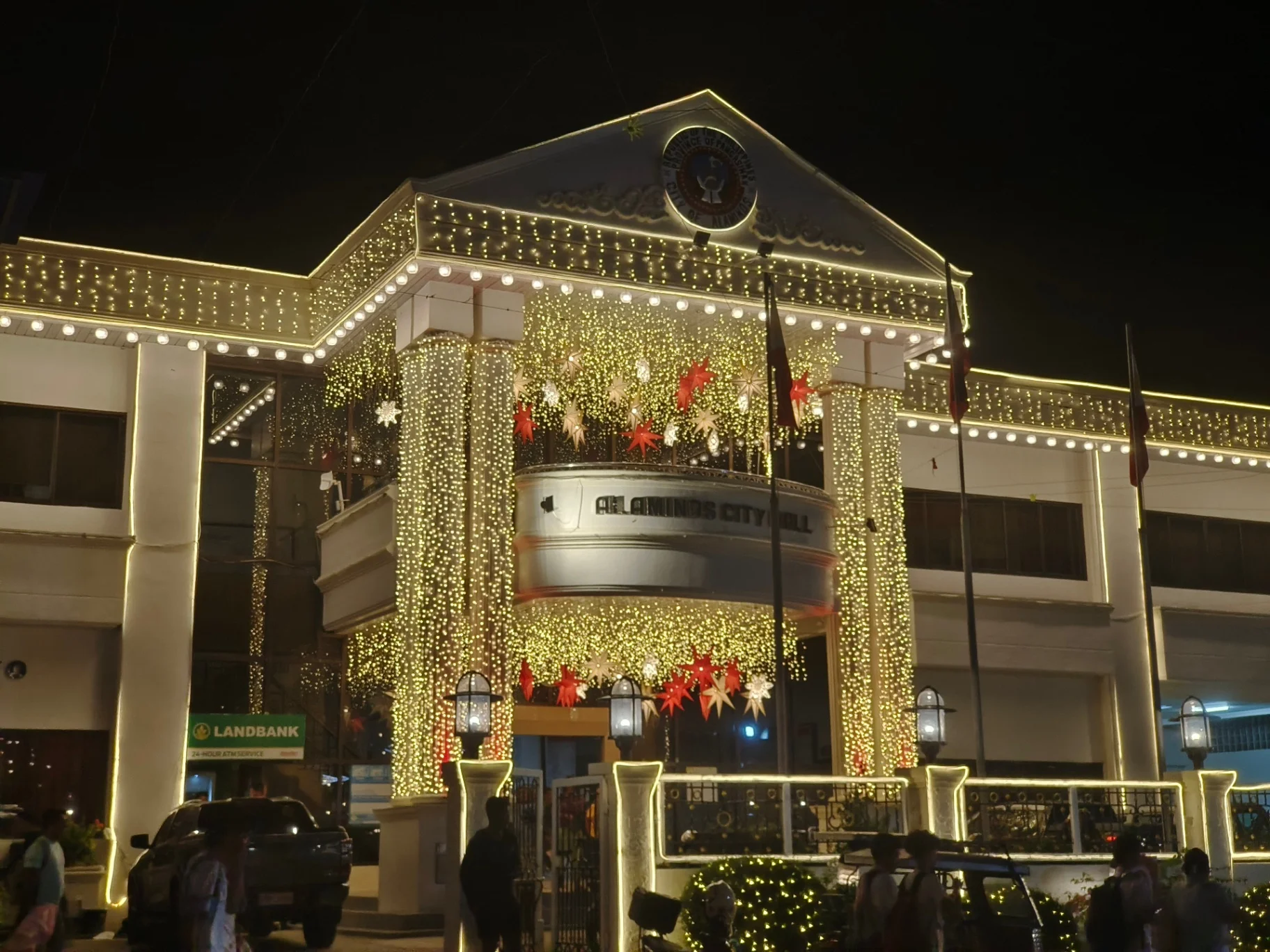
Alaminos City Hall
The seat of the local government of Alaminos City, located along Quezon Avenue in the city proper.
Browse and discover natural heritage, immovable heritage, historic landmarks, and bodies of water across the province.
41 documented placesThe seat of the local government of Alaminos City, located along Quezon Avenue in the city proper.
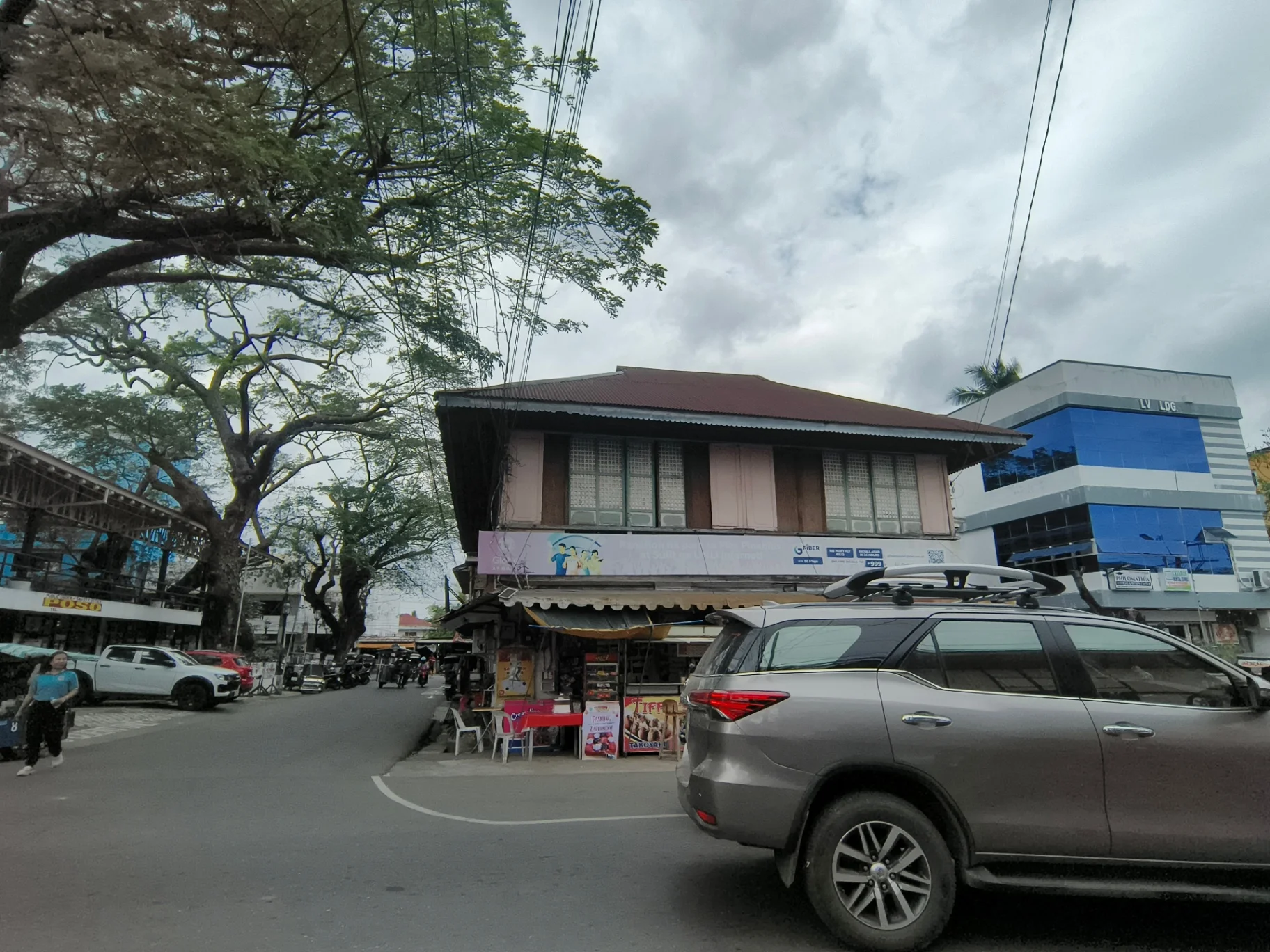
The ancestral houses of Alaminos City are historic residential structures built by prominent families during the Spanish and American colonial periods.
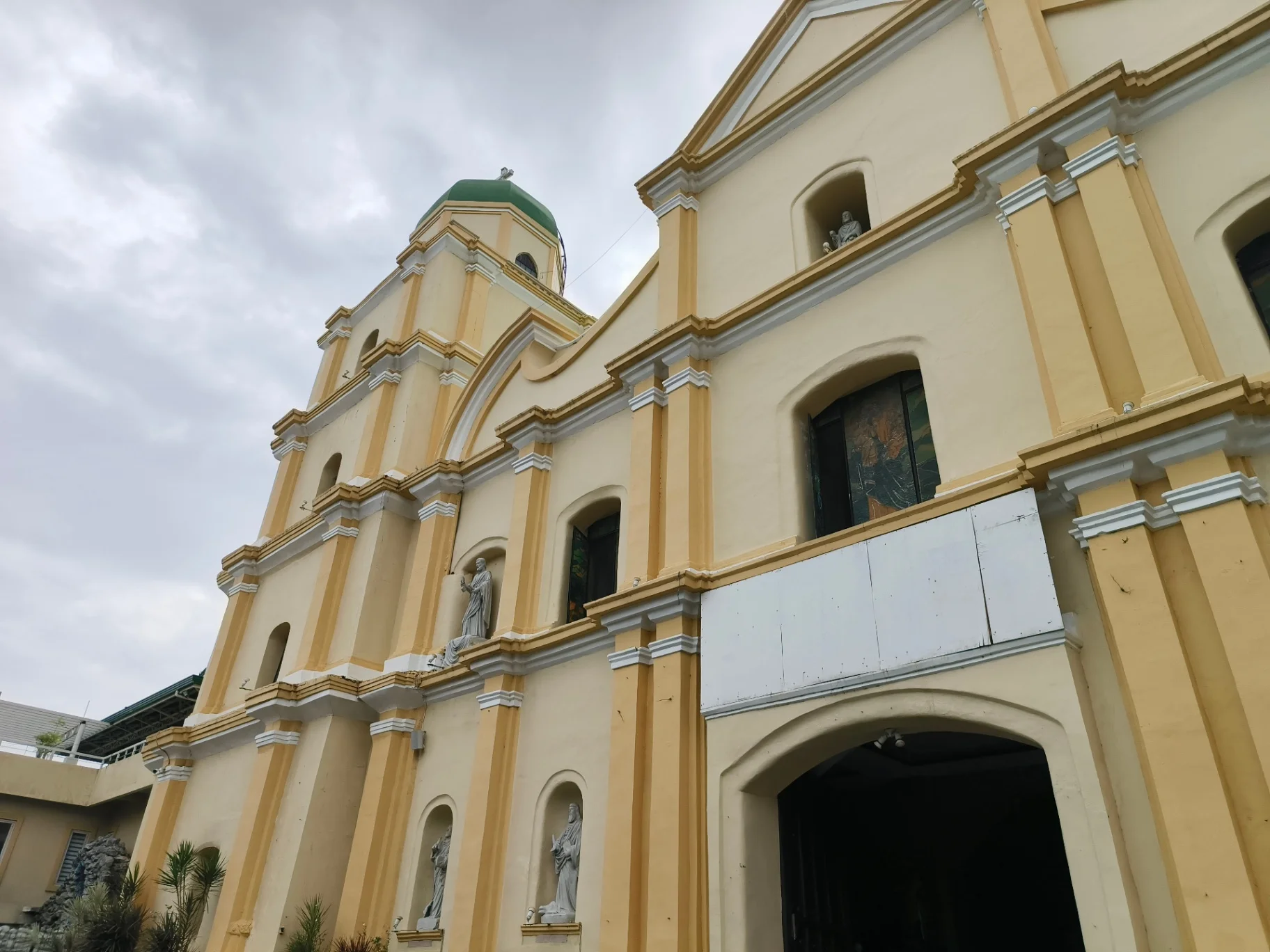
Saint Joseph the Patriarch Cathedral Parish is the principal Roman Catholic church in Alaminos City and serves as the seat of the Diocese of Alaminos.
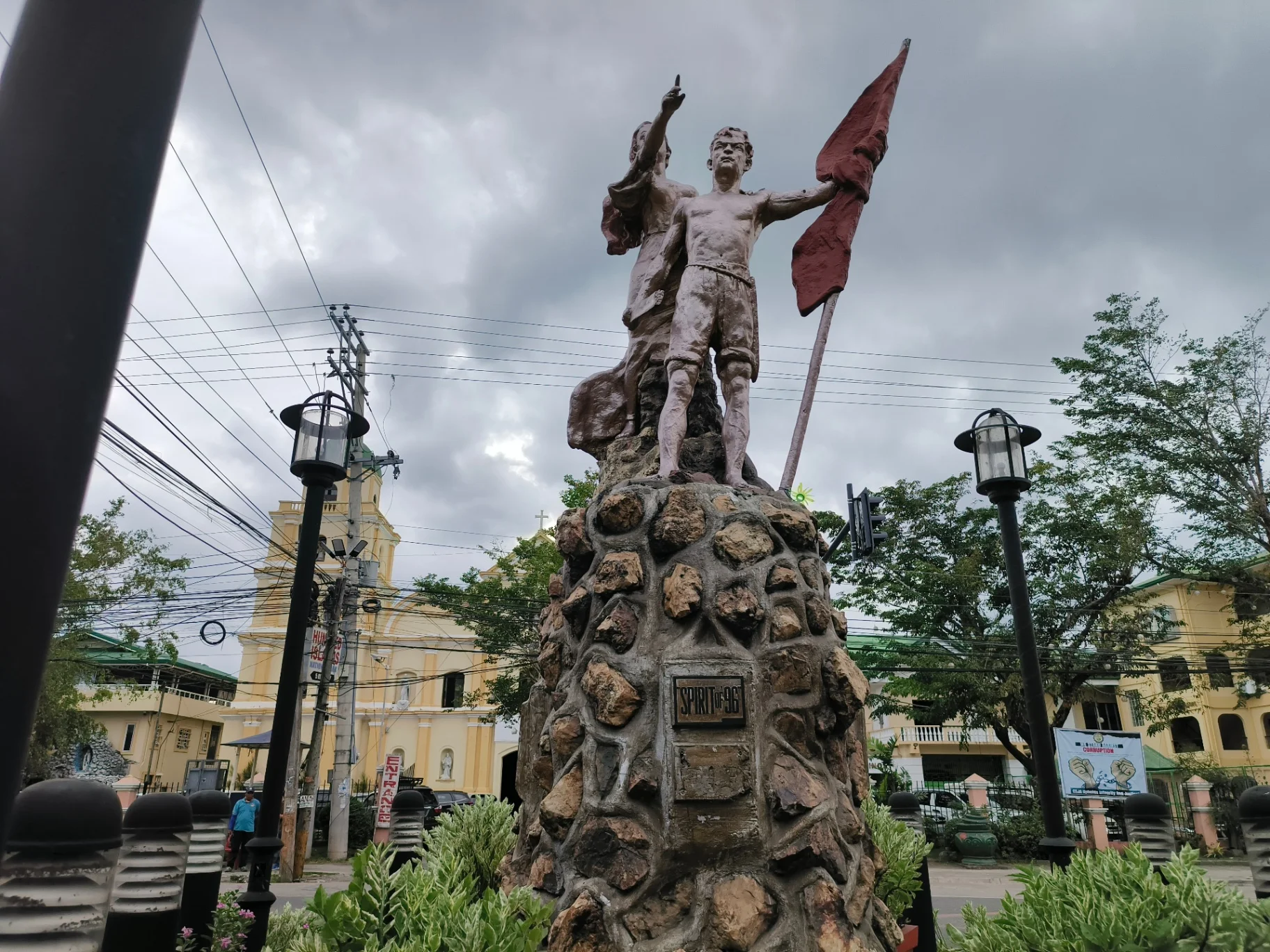
The Spirit of '96 Monument is a historical landmark in Alaminos City that commemorates the bravery, patriotism, and sacrifices of local heroes who participated in the Philippine Revolution of 1896.
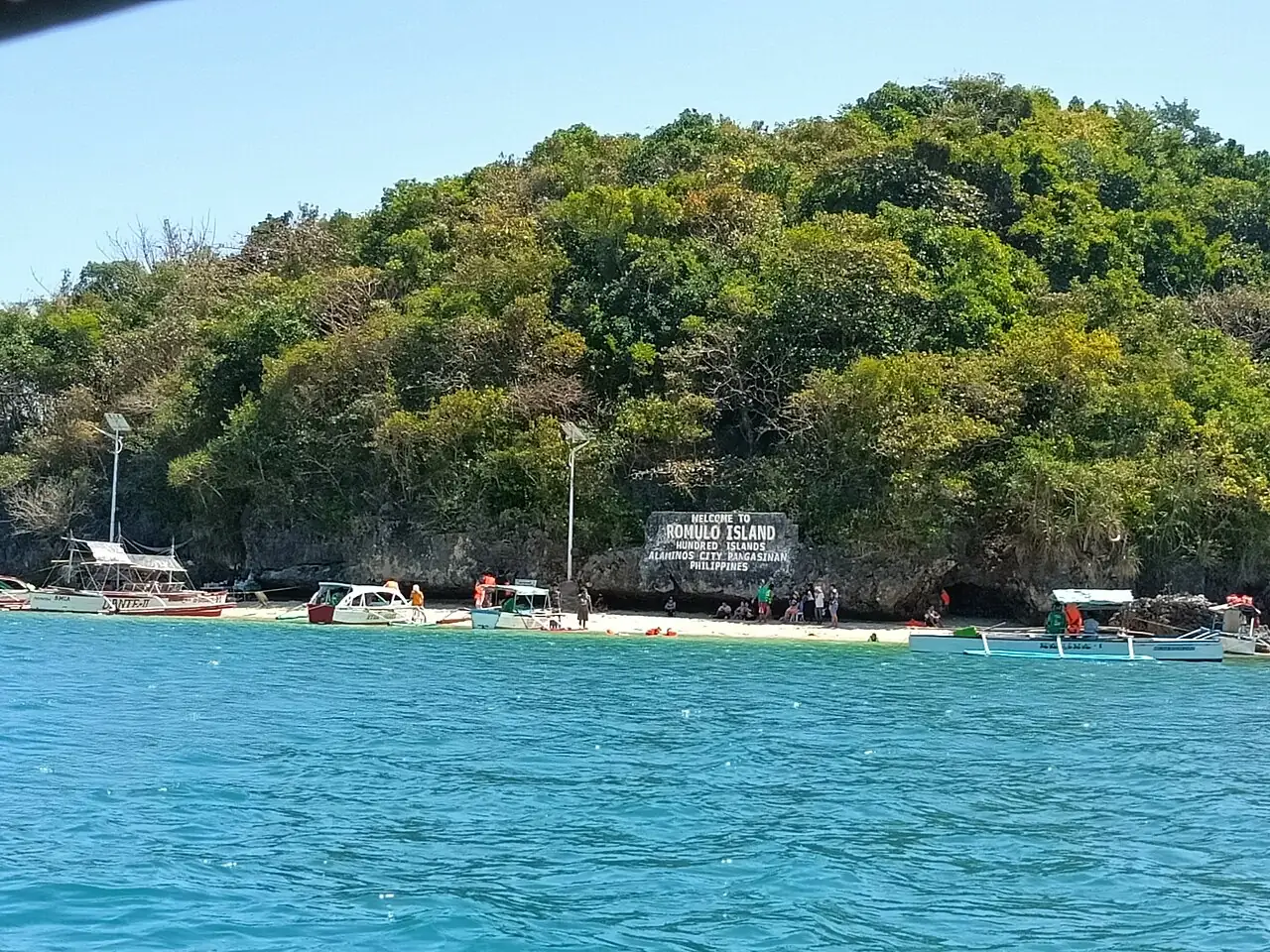
Hundred Islands National Park is the first national park in the Philippines and one of the most famous tourist destinations in Pangasinan.
The Asingan Public Plaza serves as the heart of community life, providing an open space for various social, cultural, and recreational activities.
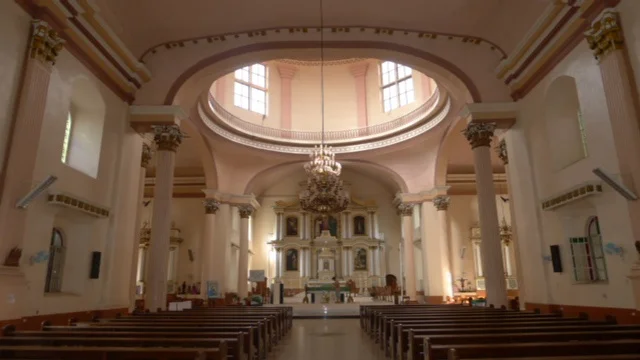
The Binmaley Catholic Church, officially known as the Nuestra Señora De Purificacion was founded on 1627 and was built by the Dominican fathers for seven years.
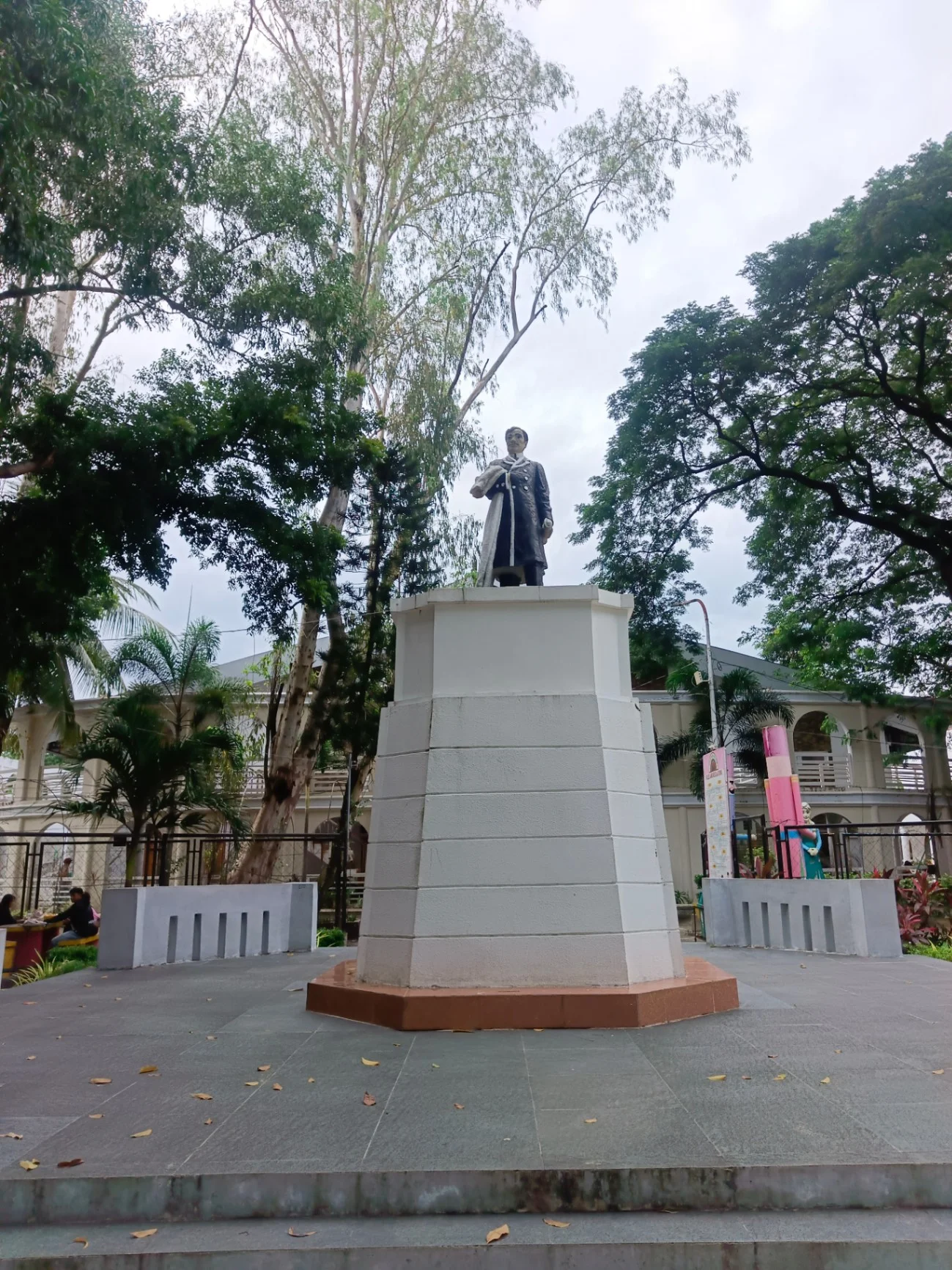
The monument was built as a tribute to our national hero, a Filipino nationalist ad polymath during the tail end of the Spanish Regime.
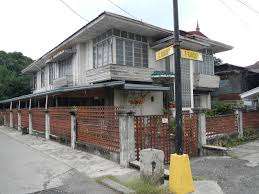
The ancestral houses scattered throughout Asingan serve as enduring symbols of the town’s colonial past and cultural evolution.
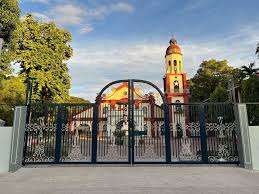
St. Louis Bertrand Parish Church in Asingan reflects the town's long-standing Catholic faith and Spanish-colonial history.
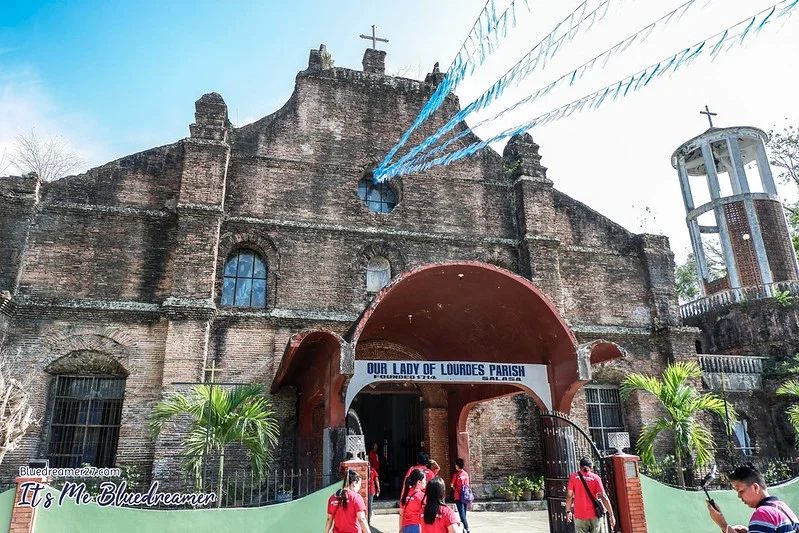
Old architectural design reflecting Spanish Colonial Revival Architectural Style.
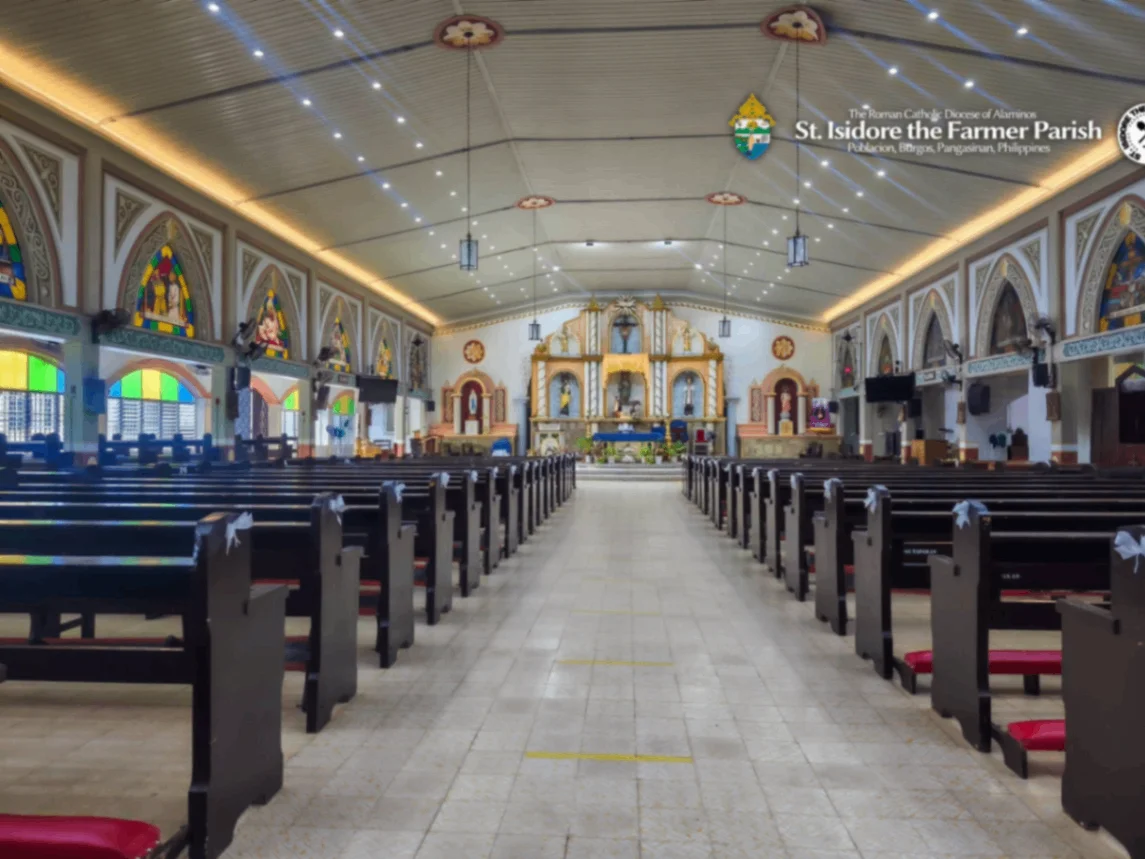
Saint Isidore the Farmer Parish Church, located in Poblacion, Burgos, Pangasinan, Philippines, is a historic Roman Catholic church established in 1755 by Dominican priest Fr.