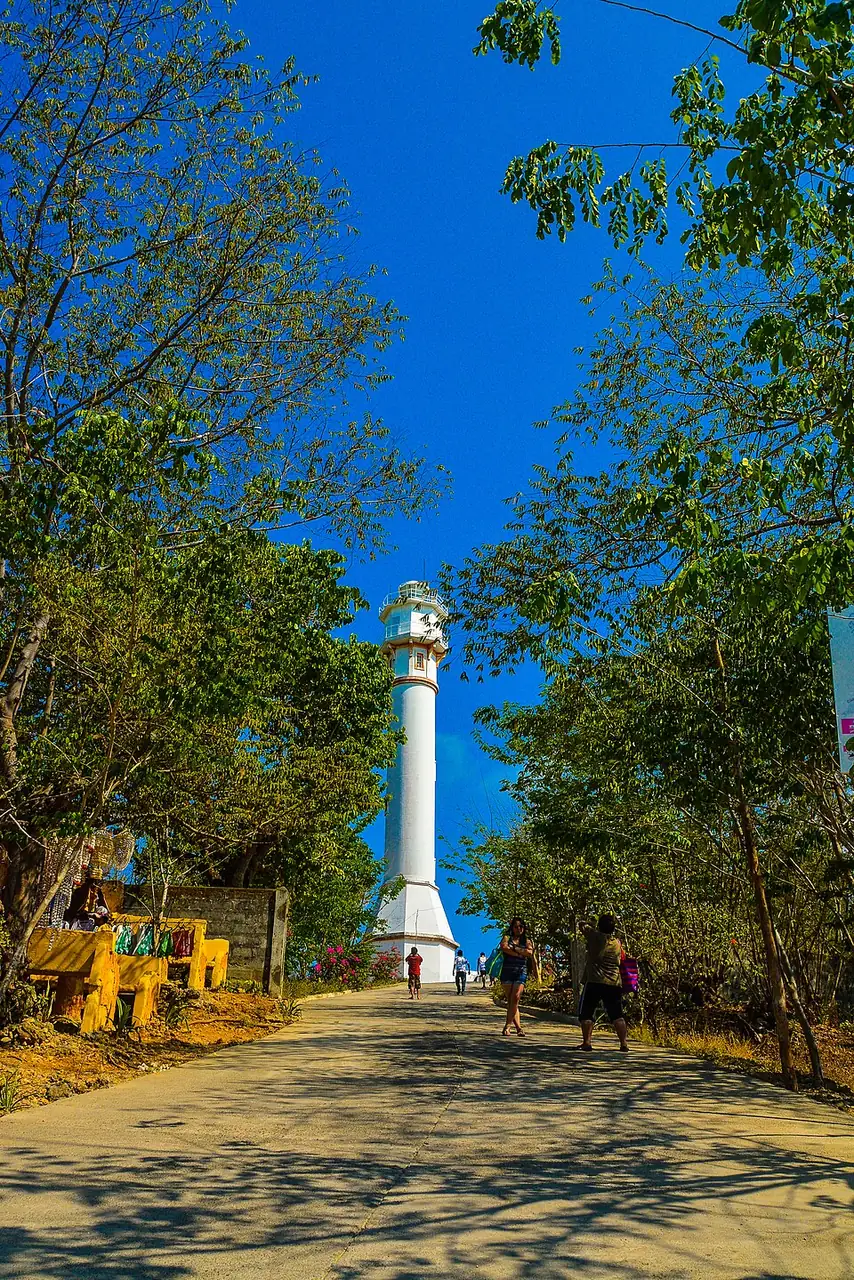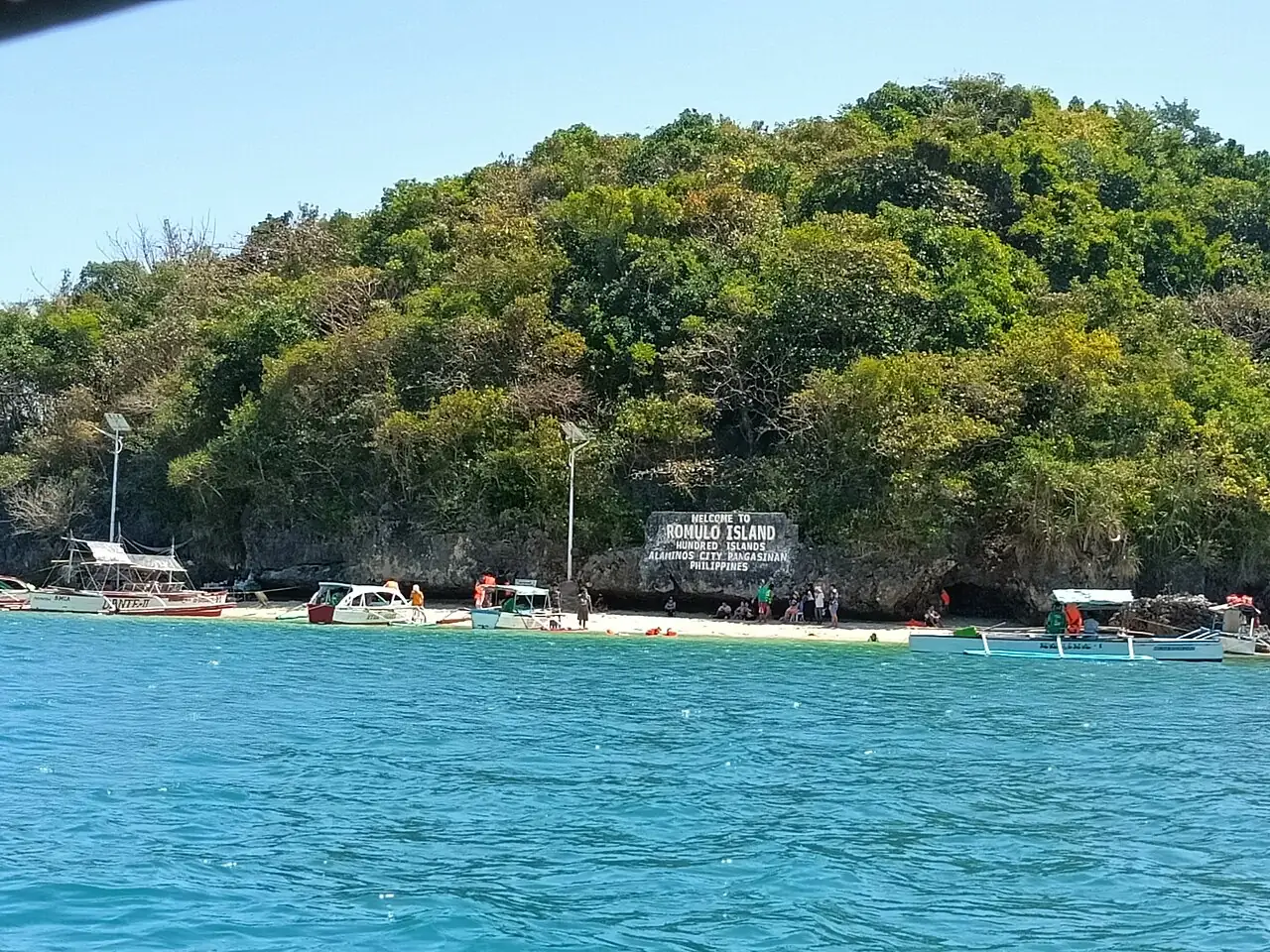
Pangasinan,
shaped by land
and water.
A province read through its places.
The project's 41 records move across cities and municipalities, from Alaminos and Bolinao to Lingayen, Dagupan, Urdaneta, and communities farther inland.
Together they form a portrait of Pangasinan through islands, beaches, rivers, civic buildings, churches, plazas, monuments, and the local communities that care for them.
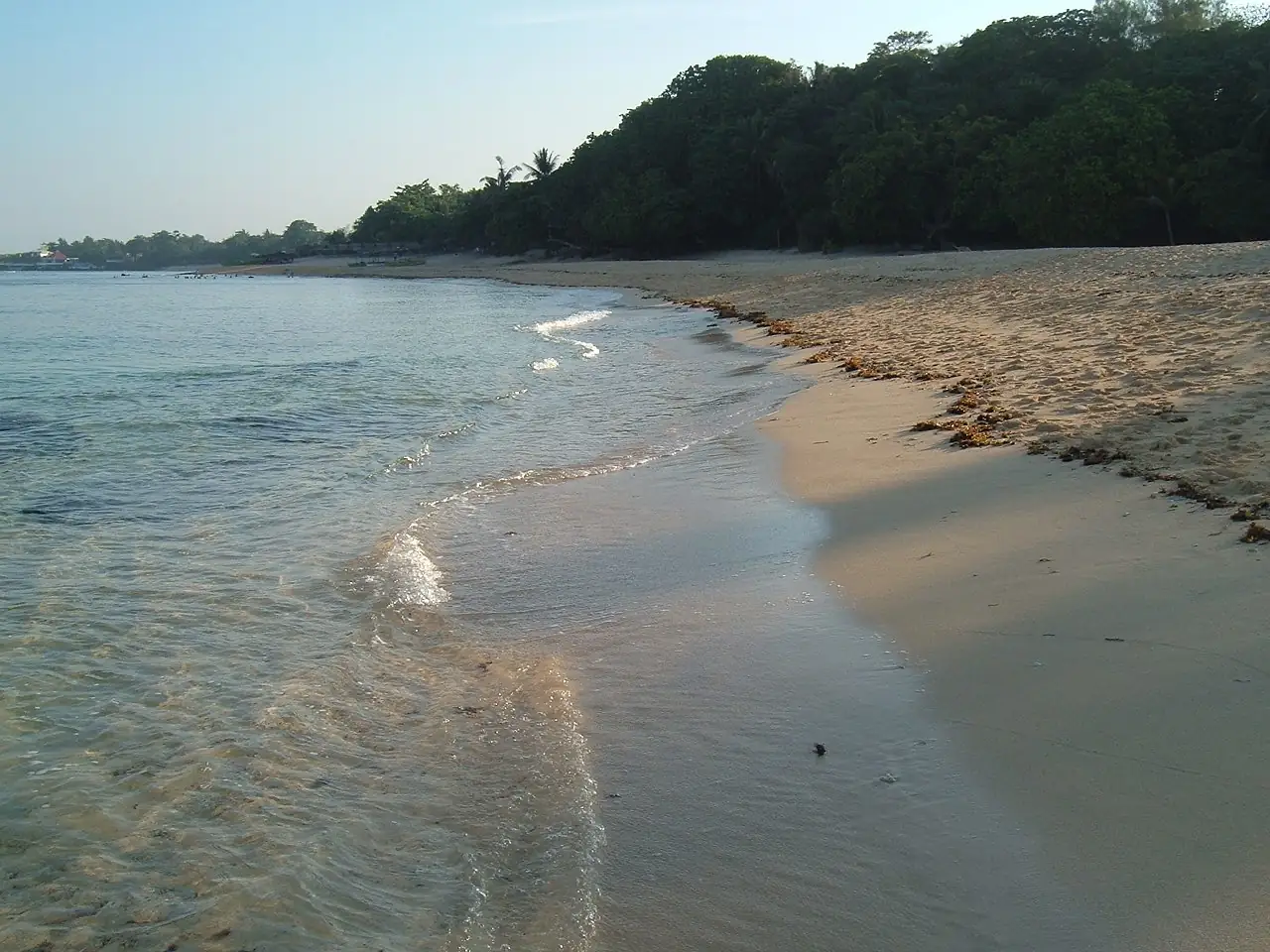
Between land and water.
Water is a recurring presence across the collection. It appears in the islands of Alaminos, the shores of Bolinao and Binmaley, and river and waterfall records from San Quintin and Natividad.
These natural places sit alongside the province's built heritage, revealing how landscape and settlement are documented together.
Stories built across generations.
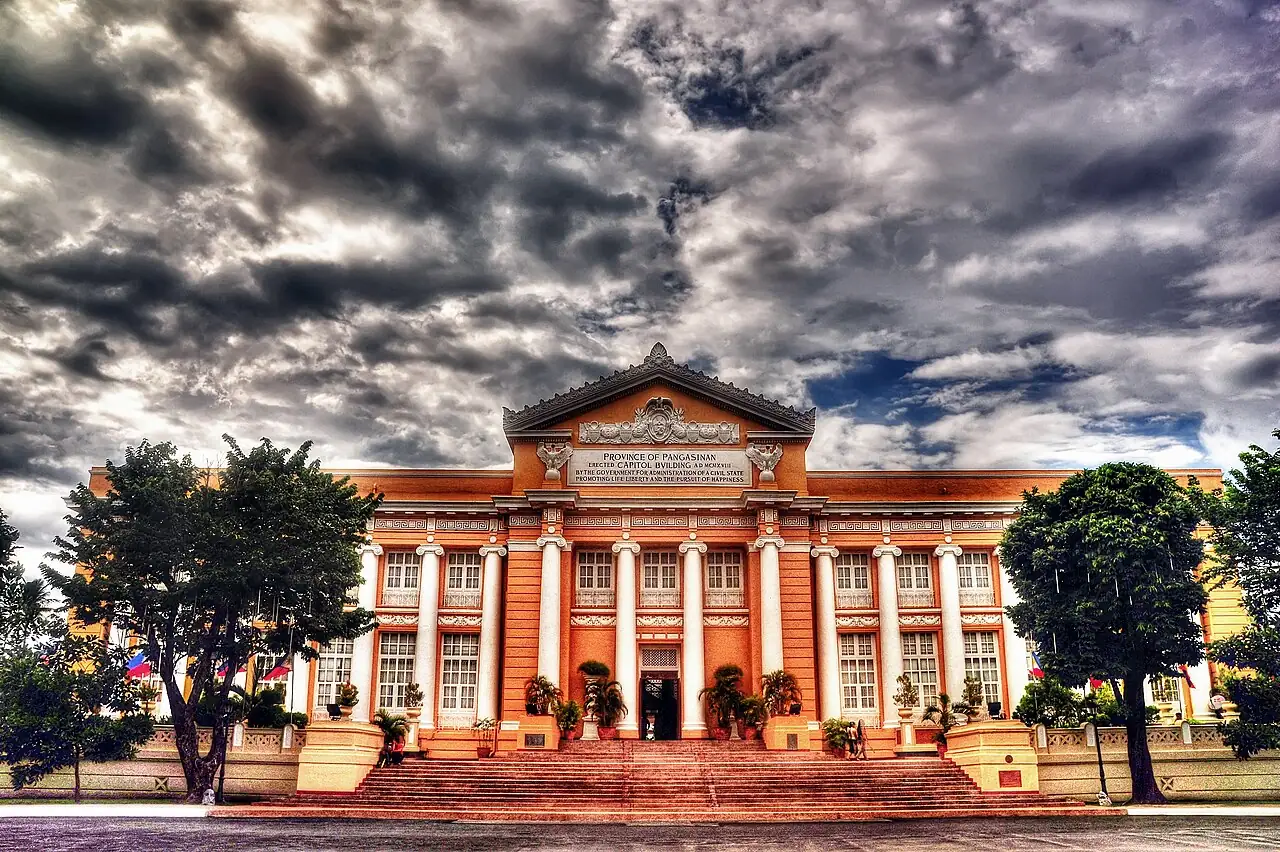
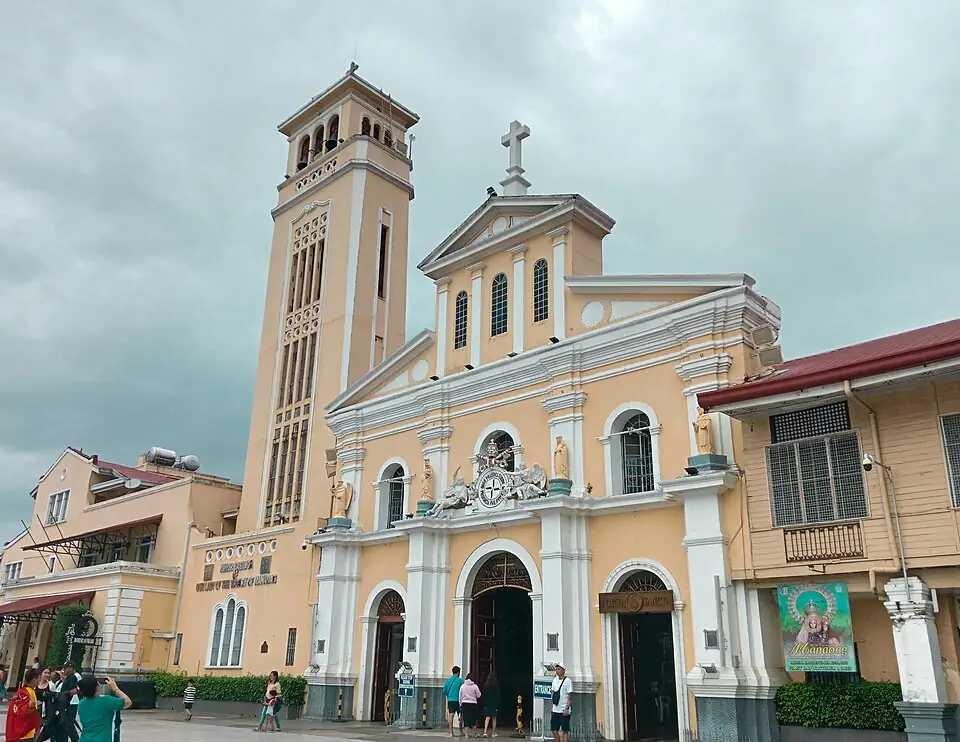
Churches, municipal halls, plazas, monuments, and the Provincial Capitol give the archive a second rhythm: places shaped by faith, public life, memory, and civic identity.
Natural Heritage
The collection's islands, beaches, rivers, waterfalls, and spring areas.
Immovable Heritage
The archive's buildings, plazas, churches, monuments, bridges, and civic places.
Churches & Faith
Religious sites are organized as a heritage type within the immovable collection.
Civic & Historic Places
Municipal halls, parks, plazas, and monuments record public memory and local identity.
Pangasinan Heritage Digital Showcase
This initiative focuses on preserving and presenting cultural and natural heritage through a modern digital experience.
It organizes verified heritage information into an accessible and visually engaging digital archive, ensuring these stories are available for future generations.