Science, Technology, Engineering, and Mathematics are intertwining disciplines when applied in the real world. The difference of the STEM curriculum with the other strands and tracks is the focus on advanced concepts and topics.
Under the track, you can become a pilot, an architect, an astrophysicist, a biologist, a chemist, an engineer, a dentist, a nutritionist, a nurse, a doctor, and a lot more. Those who are also interested in Marine Engineering should take this track.
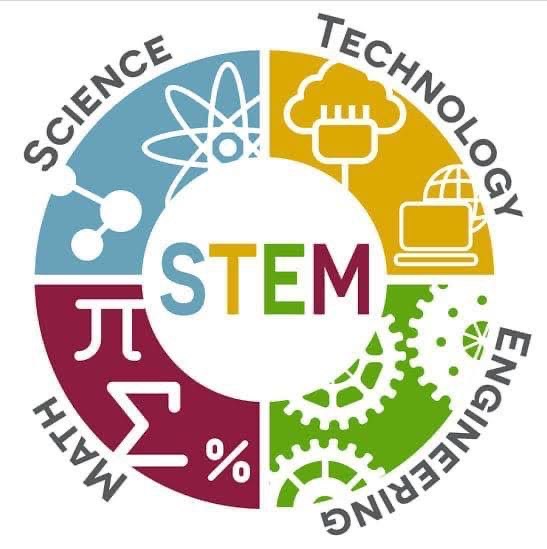
STEM stands for science, technology, engineering and mathematics and refers to any subjects that fall under these four disciplines. Because these things are never straightforward, there are also dozens of alternative versions of STEM (including STEAM, STREAM and METALS) but STEM is by far the most widely-used.
WHAT CAN I DO AFTER SHS?
For the people who love being outdoors, STEM is the track for you! You can get degrees varying from agricultural engineering, animal science, food technology, horticulture, forestry to veterinary medicine.
Subjects under STEM are tailor fitted to courses such as civil engineering, chemical engineering, computer engineering, electrical engineering, electronics & communication engineering, industrial engineering, and mechanical engineering.
Anatomy and Physiology just got easy with the STEM curriculum specialized subjects of chemistry and biology. Your future might hold you as a doctor, nurse, pharmacist, physical therapist, dentist, or medical technologist. I can already see that white coat on you!
Equipped with the basic essentials to survive the rapid global IT marketplace, look forward to get that degree on Computer Science, Computer Technology, and Information Technology as a STEM student.
Mathematics and Science is the heart of the STEM curriculum. Different technical career paths are open for you to take on. Various industries such as banking, civil service, financial services, consulting, and retail can become your playground in the future.